

Introduction
While Dubai and Abu Dhabi often dominate the international spotlight, the true cultural and geographical diversity of the UAE is revealed in its northern emirates: Fujairah, Umm Al Quwain (UAQ), and Ras Al Khaimah (RAK). Each possesses a distinct landscape, history, and economic base, offering a quieter, yet profoundly rich, alternative narrative of the federation. From the mountain-meets-sea scenery of the east coast to the ancient archaeological sites of the north, these emirates are the keepers of deep history and natural wonders.
Fujairah: The Eastern Powerhouse
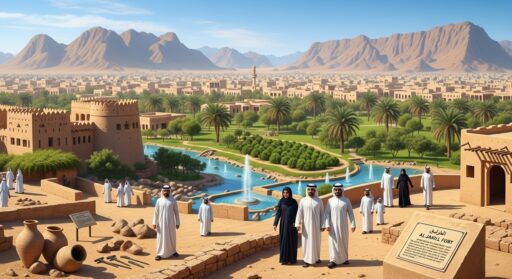
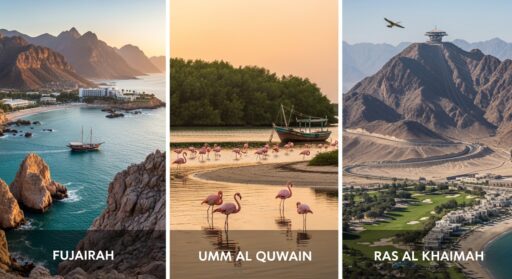
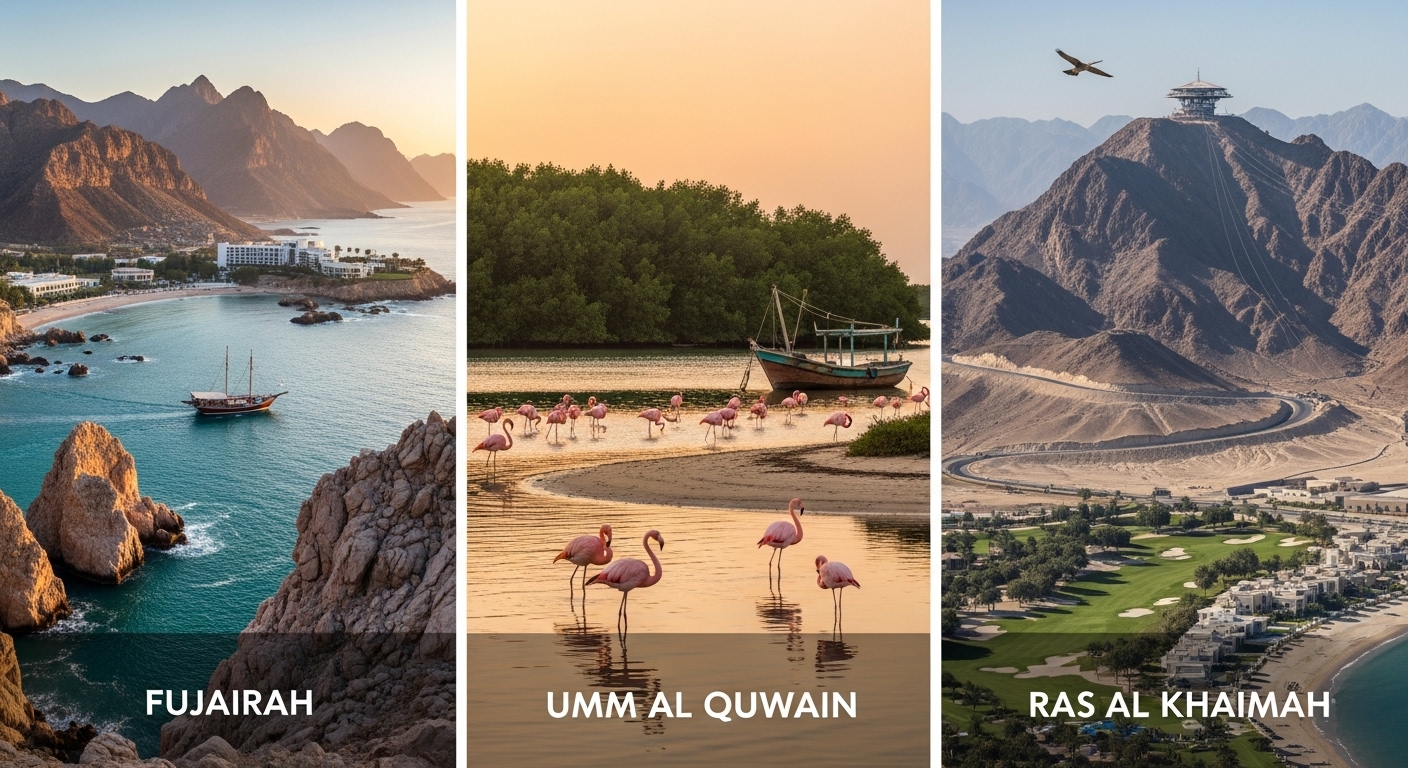
Fujairah is the only emirate located entirely on the Gulf of Oman, shielded from the Arabian Gulf by the rugged Hajar Mountains. This geography defines its character. Its dramatic coastline, with beaches like Al Aqah and the snorkeling paradise of Snoopy Island, offers a different seaside experience. Inland, the emirate is known for its fertile wadis (dry river valleys), such as Wadi Wurayah, a protected national park with waterfalls and biodiversity. Fujairah’s economy is powered by its strategic port, which lies outside the Strait of Hormuz, making it a critical oil export and logistics hub. Key historical sites include the Fujairah Fort, the oldest in the UAE, and the Al Badiyah Mosque, the nation’s oldest place of worship.
Umm Al Quwain: The Quiet Coastal Sanctuary
Umm Al Quwain (UAQ) is the least populous emirate, cherishing its reputation as a tranquil escape. Its long, lazy coastline along the Arabian Gulf is a haven for mangrove forests and birdlife. The Umm Al Quwain Fort, which once housed the ruling family and served as the seat of government, now contains a informative museum. The emirate is also home to the Dreamland Aqua Park, a popular family destination, and the Seneyah Island wildlife sanctuary. Umm Al Quwain’s slower pace of life and its focus on low-key tourism and local industries provide a glimpse into a more relaxed version of Emirati life, deeply connected to the sea and its natural rhythms.
Ras Al Khaimah: The Frontier of Adventure and Archaeology
Ras Al Khaimah (RAK), meaning “Top of the Tent,” lives up to its name with its dramatic topography. It is dominated by Jebel Jais, the highest peak in the UAE, which is now home to the world’s longest zipline, positioning RAK as the nation’s adventure tourism capital. But its history is even more elevated. The emirate is the site of the ancient port city of Julfar, a legendary trading hub for centuries. The Dhayah Fort, perched on a hilltop, witnessed a major battle in 1819. RAK’s economy is diversifying rapidly, with a strong industrial and manufacturing base alongside its growing tourism sector, all set against a stunning backdrop of mountains and coast.
A Tapestry of Shared and Distinct Histories
These emirates, along with Ajman and Sharjah, were historically known as the “Pirate Coast” and later the “Trucial States” under British protection. Each was ruled by its own Al Qasimi or other tribal leadership, with rivalries and alliances shaping their pre-union history. Their decision to join the UAE federation in 1971 (RAK joined in 1972) was a strategic move that pooled their resources and secured their future. Today, they benefit from federal stability while maintaining their unique local identities and development paths.
Conclusion: The Completing Pieces of the Federation
The northern emirates are not mere footnotes in the UAE’s story; they are essential chapters that complete it. They remind us that the federation is a mosaic of different landscapes, histories, and temperaments. Fujairah offers mountain escapes and strategic maritime power; Umm Al Quwain provides serene coastal tranquility; and Ras Al Khaimah delivers breathtaking adventure and deep archaeological roots. To explore these emirates is to move beyond the clichés and discover the authentic, diverse, and resilient spirit that truly defines the United Arab Emirates.