

Introduction
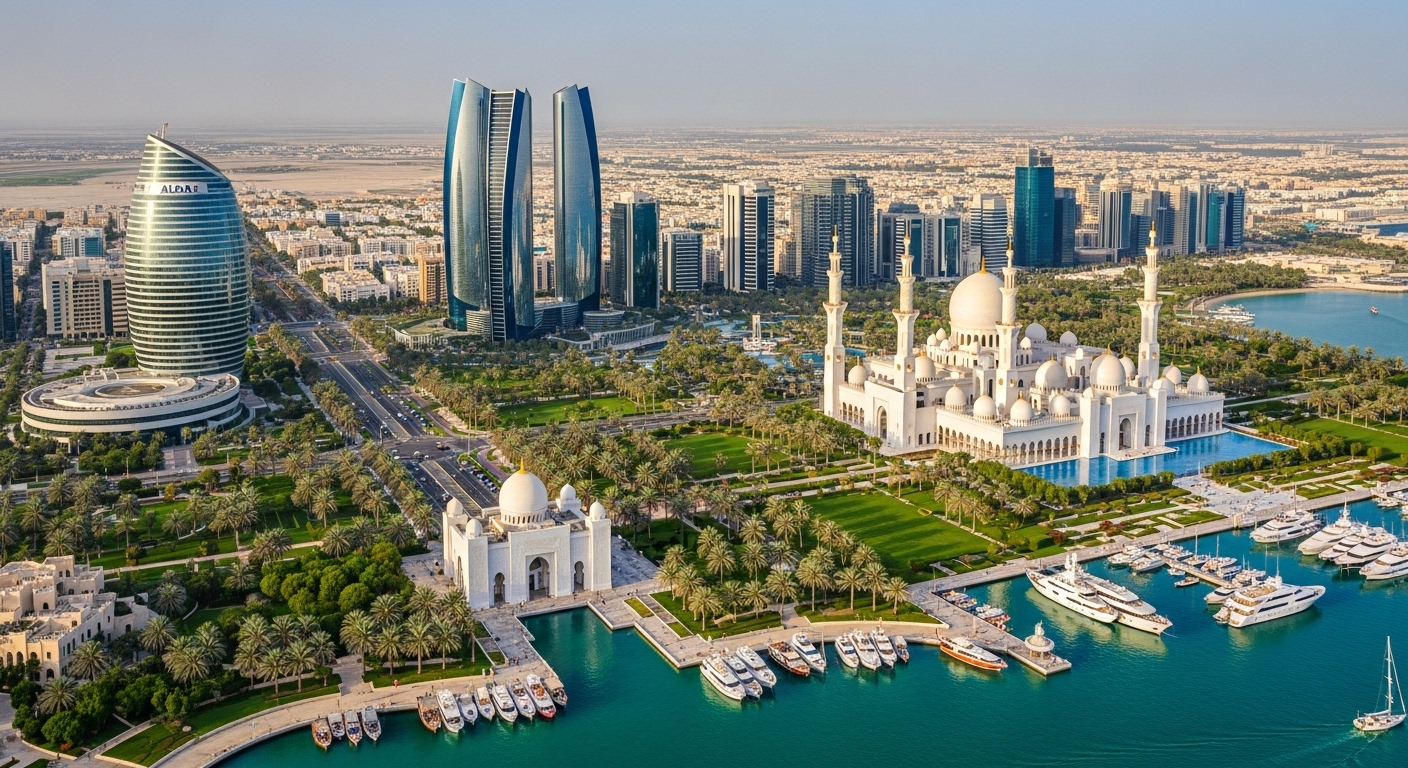
The story of Abu Dhabi, the capital of the UAE, is a tale of two cities. It begins as a small, impoverished settlement of barasti (palm frond) huts, its inhabitants surviving on pearl diving, fishing, and the limited trade its creek could attract. Today, it is a sprawling, lush, and grand metropolis, a global hub of politics, culture, and energy. This dramatic transformation, guided by the vision of its leaders, is not just one of economic growth but of environmental mastery, turning a barren island into a celebrated “Garden City” of the Gulf.
The Origins: The Bani Yas and the Discovery of Water
Abu Dhabi’s history is intrinsically linked to the Bani Yas tribe, who originally inhabited the Liwa Oasis in the interior. In the late 18th century, a party of Bani Yas hunters tracked a gazelle to the coast, leading them to a freshwater spring on the island. This discovery prompted the Al Bu Falah section of the tribe, led by the Al Nahyan family, to establish a permanent settlement there, naming it “Abu Dhabi,” which means “Father of the Gazelle.” For nearly two centuries, life revolved around the palace-fort of Qasr Al Hosn, pearling, and the modest trade that came through its shallow creek.
The Vision of Sheikh Zayed: The Greening of the Desert
The pivotal figure in Abu Dhabi’s history is the late Sheikh Zayed bin Sultan Al Nahyan. When he became Ruler in 1966, he immediately channeled the emerging oil revenues into a visionary project: greening the desert. He famously stated, “The man who has no land has no honor,” believing that making the desert bloom was a sacred duty. His government launched massive afforestation campaigns, planting millions of trees, including the hardy Ghaf and imported neems, and creating vast public parks like the Khalifa Park. This relentless effort transformed the city’s microclimate, reduced dust storms, and created the stunning green boulevards that define Abu Dhabi today.
The Modern Masterplan: A City of Grand Ambition
Abu Dhabi’s development has been characterized by careful, grand-scale planning. Unlike the organic, rapid growth of some cities, Abu Dhabi adopted a structured masterplan. The city is laid out with wide, tree-lined boulevards, distinct cultural districts, and dedicated zones for government, commerce, and residence. This foresight is evident in landmarks like the Sheikh Zayed Grand Mosque, a breathtaking architectural wonder, and the cultural district of Saadiyat Island, which hosts the Louvre Abu Dhabi and will be home to the Guggenheim Abu Dhabi and the Zayed National Museum. The city exudes an aura of deliberate, majestic ambition.
A Dual Identity: Tradition and Global Leadership
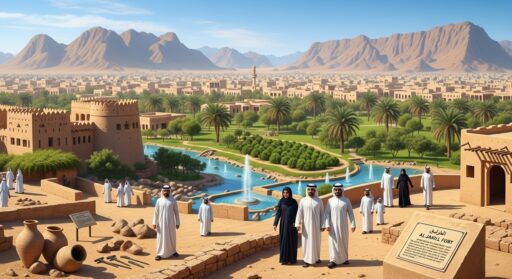
Despite its modern facade, Abu Dhabi has fiercely protected its heritage and identity. The meticulous restoration of Qasr Al Hosn Fort at the city’s center is a powerful symbol of this. The heritage village at the Breakwater offers a glimpse into the pre-oil era. Meanwhile, the city has cemented its role as a global leader, hosting international events like the Formula 1 Grand Prix at Yas Marina Circuit and the headquarters of the International Renewable Energy Agency (IRENA). It balances its deep Bedouin roots with its 21st-century role as a forward-thinking capital.
Conclusion: A Testament to Visionary Leadership
Abu Dhabi’s journey is a powerful narrative of transformation against all odds. It is a city built not just on oil wealth, but on the unwavering vision of Sheikh Zayed and his successors. From a dusty island village to a green and grandiose capital, its story is one of environmental triumph, cultural preservation, and strategic global engagement. Abu Dhabi stands as a testament to the belief that with vision and will, even the most challenging environment can be shaped into a beacon of modern civilization and a home of enduring beauty.